How to Use Modules in TYPO3

Home » Knowledge Base » Design Tools » TYPO3 » How to Use Modules in TYPO3

TYPO3 is a CMS based on a modular architecture, meaning that users can use various built-in tools and add-ons to manage content, other users, configurations, and more.

In this guide, we share how to use modules in TYPO3, so you get the most out of them.


What are Modules in TYPO3

Modules in TYPO3 are default sections at the backend of your TYPO3 project that allow you to manage different aspects of your website. Each accessible module serves a specific purpose such as editing pages, managing files, configuring settings, managing users, and similar.

Modules in TYPO3 are categorized into the following groups and sub-groups:

Web Modules:

  • Page: allows you to manage your pages and their content.
  • List: Grants you a database view of records such as content templates and plugins.
  • View: Preview how your changes appear on your website.


File Modules:

  • Filelist: Allows you to manage file storage, upload media, and organize file folders


User Tools:

  • Task Center: Allows you to make personal notes, reminders, and gives you access to some management tools.
  • User Settings: Grants you customization options for the backend interface for you and your team.


Admin Tools:

  • Maintenance: Clear cache, perform system checks.
  • Extensions: Install, delete, configure, and update TYPO3 extensions
  • Log: View system messages and activity logs.


System Modules:

  • Backen Users: Manage team accounts and permissions
  • Workspaces: manage, edit, add, and remove workspaces
  • Configuration: View system and extension configuration


How to Use Modules in TYPO3

Modules are quite versatile and can be used in numerous ways. Here’s how to proceed.


Step 1: Log in to TYPO3 Admin Dashboard

The first step in the process is to log in to TYPO3. The admin dashboard is the place from which you can manage all your project settings, modules, and colleagues.


Step 2: Use a Module

Now that you have entered the TYPO3 admin panel, it is time to learn how to use modules. Depending on the type of module you wish to use, the menu and options can vary. In this example, we share how to edit a Page module.

The first step is to navigate to Web -> Page via the TYPO3 admin dashboard:
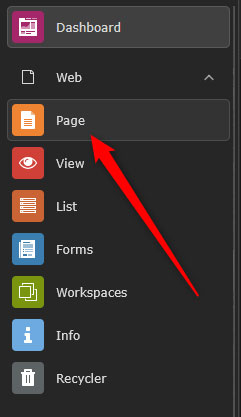
Access the Pages module in TYPO3


Then, choose a page from the site tree via the left sidebar:
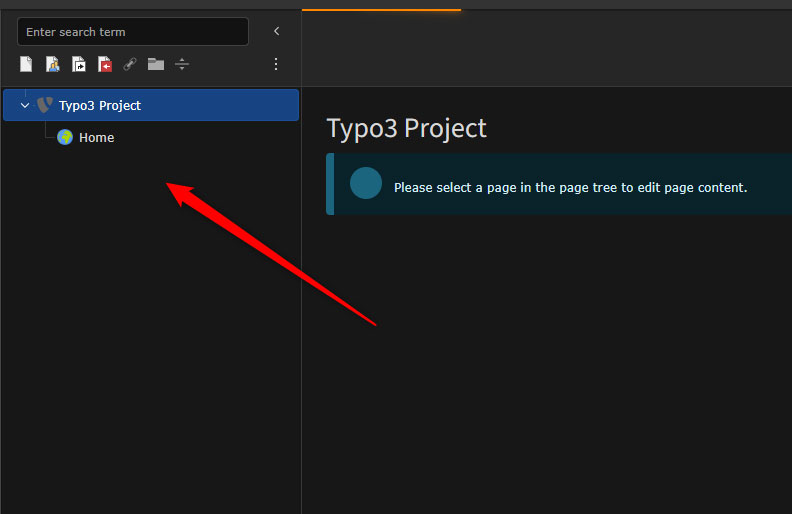
Select TYPO3 page to edit


Now, you can use the content areas (also called colPos) to:

  • Add a new content element
  • Edit existing texts and media files
  • Drag and drop blocks to rearrange the layout


Step 3: Customize a Module Menu

You can control which modules are visible and accessible via the dashboard. This helps your team manage content more easily and quickly. To do so:

Navigate to System -> Backend Users:
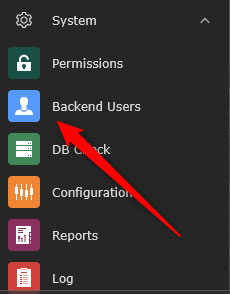
Access the Backend Users menu in TYPO3


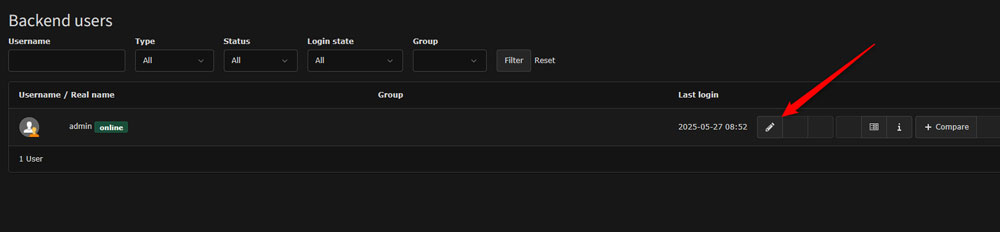
Then, select a user:

Select a user in TYPO3


After that, via the Module Permissions tab, select which options are accessible for this user. This will include these elements in the navigational menu of the selected user:
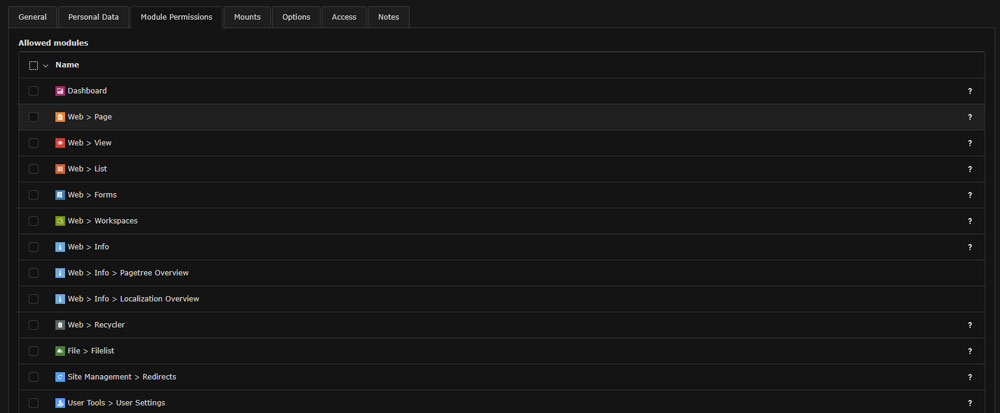
Add permissions for each module and user


Tips and Tricks

  • Add the modules you and your team use the most to the Favourites tab for quick access.
  • Use the search bar above each module menu to quickly search for and find modules.
  • Collapse the unused categories and modules to stay organized.
  • Explore the custom modules section via extensions to add some new functionalities to your TYPO3 project.

Conclusion

Understanding how to use modules in TYPO3 grants you complete control over your website. Via modules, you can manage all aspects of your project via several simple steps and clicks.

 

Was this post helpful?

i

Relevant tags:

Connect

Latest posts:

How to Fix 308 Permanent Redirect

308 Permanent Redirect is an HTTPS status code indicating that the requested resource has been permanently moved to another location. Similar to 301 Moved Permanently, 308 informs the user of the movement of a given online resource, and unlike the 301 redirect, 308...

How to Fix 301 Error Moved Permanently

The 301 Moved Permanently is an HTTP status code that indicates a permanent relocation of an online resource from a given URL to a new one. More technically, the moved resource has been moved to the new URL specified in the Location header. The HTTP 301 status code is...

How to Fix 307 Temporary Redirect

307 Temporary Redirect is a response HTTP status code that indicates the requested resource has been moved to a different URL for a limited period of time. Unlike a 301 permanent redirect, the 307 Temporary Redirect message indicates that the change is temporary and...

How to Access Crontab Settings

To access the crontab settings, first, you need to log in to your AwardSpace hosting panel. After you have logged in, head to Crontab Settings, located within the Advanced Tools category:   After you click the Crontab Settings icon, a new page should load. Once...

How to Check My Auto Renewals

To check your AwardSpace hosting plan auto-renewals, first log in to the admin dashboard. Then, head to Wallet, within the Orders & Invoices section:   After that, click the Auto Renewals tab, where you can check any relevant information about your hosting...


Create a website for free!


Free forever

Our Support Team is Here to Help


If you need any questions answered, don't hesitate and contact us. Click the button below and follow the instructions. You can expect an answer within an hour.


Contact AwardSpace


iNewest knowledge base articles

How to Fix 308 Permanent Redirect

308 Permanent Redirect is an HTTPS status code indicating that the requested resource has been permanently moved to another location. Similar to 301 Moved Permanently, 308 informs the user of the movement of a given online resource, and unlike the 301 redirect, 308...

How to Fix 301 Error Moved Permanently

The 301 Moved Permanently is an HTTP status code that indicates a permanent relocation of an online resource from a given URL to a new one. More technically, the moved resource has been moved to the new URL specified in the Location header. The HTTP 301 status code is...

How to Fix 307 Temporary Redirect

307 Temporary Redirect is a response HTTP status code that indicates the requested resource has been moved to a different URL for a limited period of time. Unlike a 301 permanent redirect, the 307 Temporary Redirect message indicates that the change is temporary and...

How to Access Crontab Settings

To access the crontab settings, first, you need to log in to your AwardSpace hosting panel. After you have logged in, head to Crontab Settings, located within the Advanced Tools category:   After you click the Crontab Settings icon, a new page should load. Once...

How to Check My Auto Renewals

To check your AwardSpace hosting plan auto-renewals, first log in to the admin dashboard. Then, head to Wallet, within the Orders & Invoices section:   After that, click the Auto Renewals tab, where you can check any relevant information about your hosting...

How to Check My Payment Requests

To check your payment requests, first log in to the AwardSpace hosting panel. Then, head to Wallet within the Orders & Invoices category:   Then, click the Payment Requests tab. There, you can browse all the information you need about your...

Even more web tutorials

Check out our web hosting knowledge base and the WordPress tutorials to learn more, and be better prepared for your website creation and maintenance journey.