How to Update Drupal Module

Home » Knowledge Base » Design Tools » Drupal » How to Update Drupal Module

Updating a Drupal module involves several steps to ensure the process is smooth and doesn’t disrupt your site.

Here’s a detailed guide to help you update a Drupal module.

Read also: How to Install a Drupal Module


How to Update Drupal Module

Step 1: Check for Module Updates

You can check for available module updates through the Drupal admin interface. After you log in to Drupal, navigate to go to Reports -> Available updates:

From there, you can check whether your installed Drupal modules are up to date:
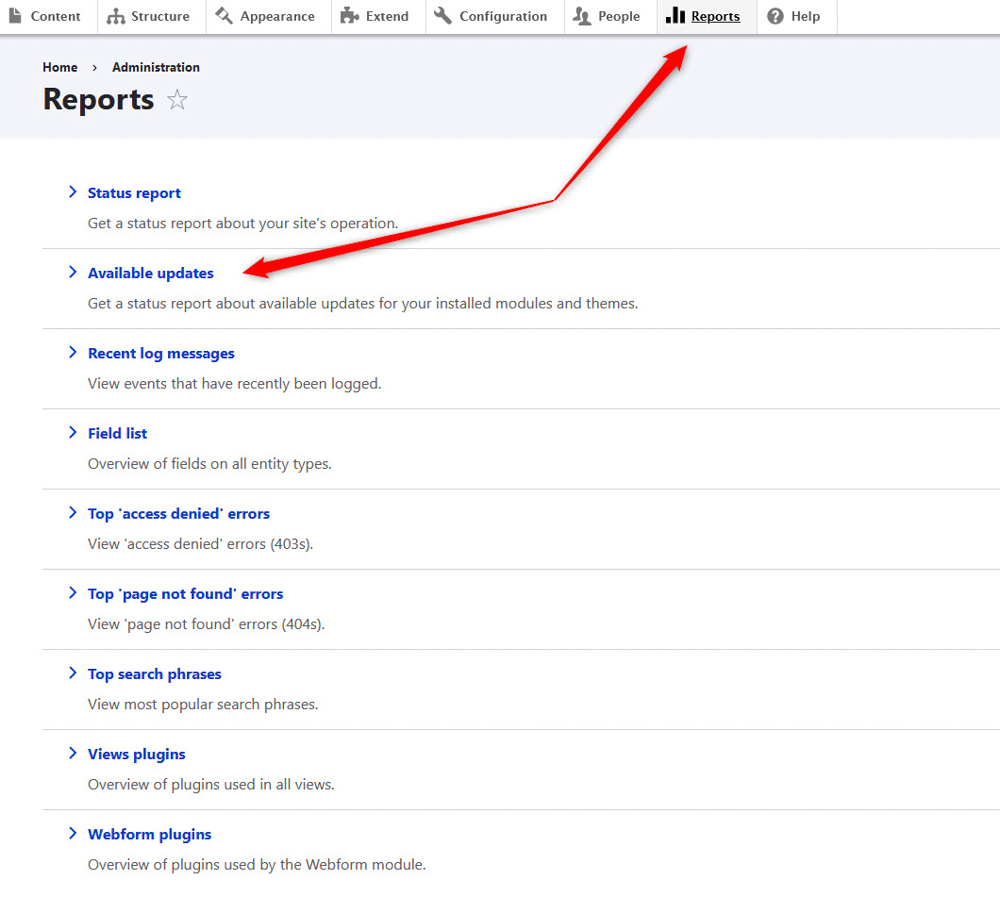
How to Update Drupal Module Reports Section


Step 2: Download the New Module Version

If you notice a module that is not up to date, it is time to fix that.

To do so, you should download the module’s latest version from the official Drupal website and upload it to your Drupal website.

Here’s how to do that step by step:

Download the Module: Go to the module’s page on Drupal.org and download the latest version:
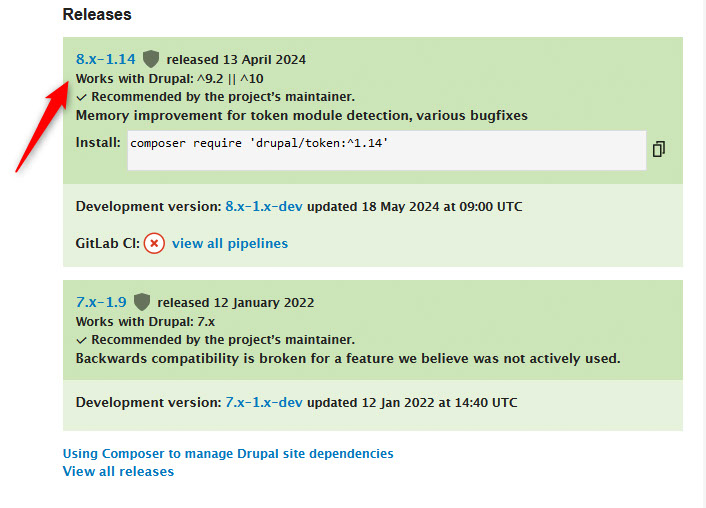
Download Drupal Module


Extract the Files: Extract the downloaded archive on your computer device.

Replace the Old Module: Replace the old module files in sites/all/modules (or modules/custom or modules/contrib depending on where the module is located) with the new files. Ensure the directory name remains the same.

To do so, log in to your AwardSpace hosting panel, and navigate to File Manager:
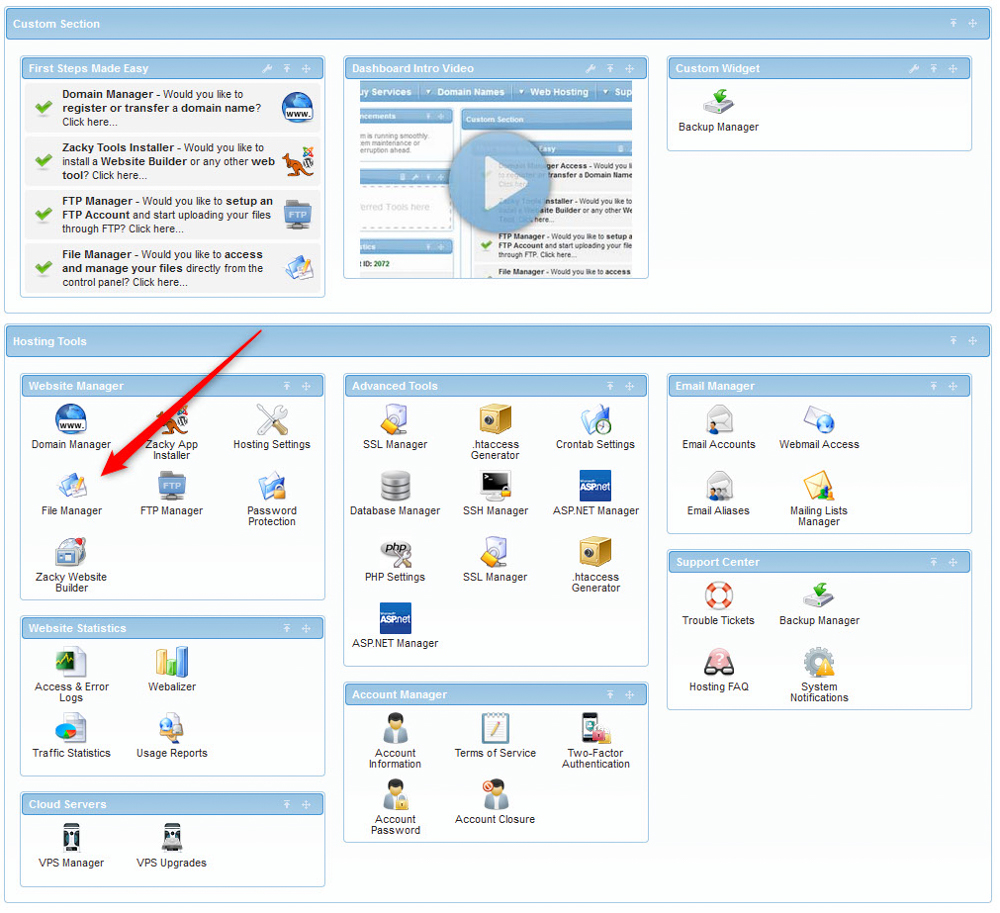
AwardSpace hosting panel File Manager


Then, locate the root folder of your Drupal website:
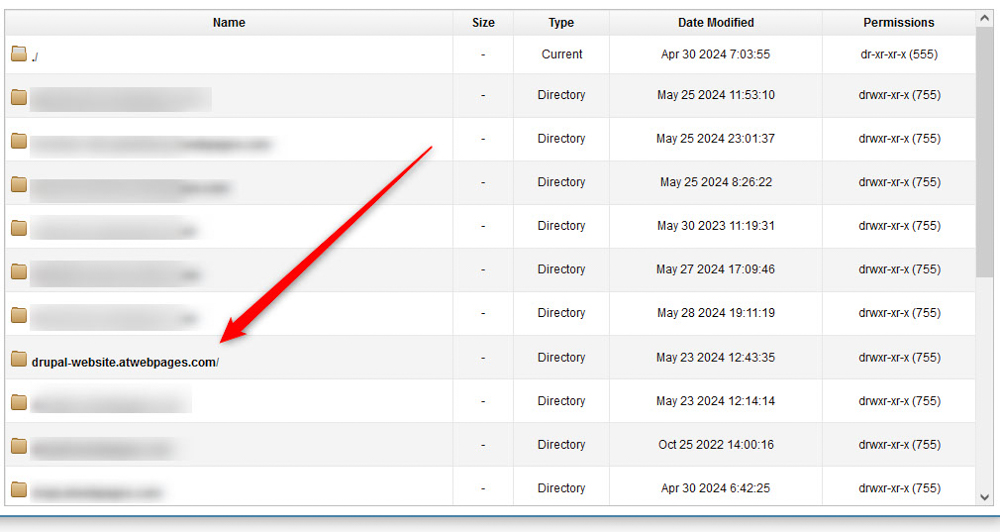
Drupal website root folder


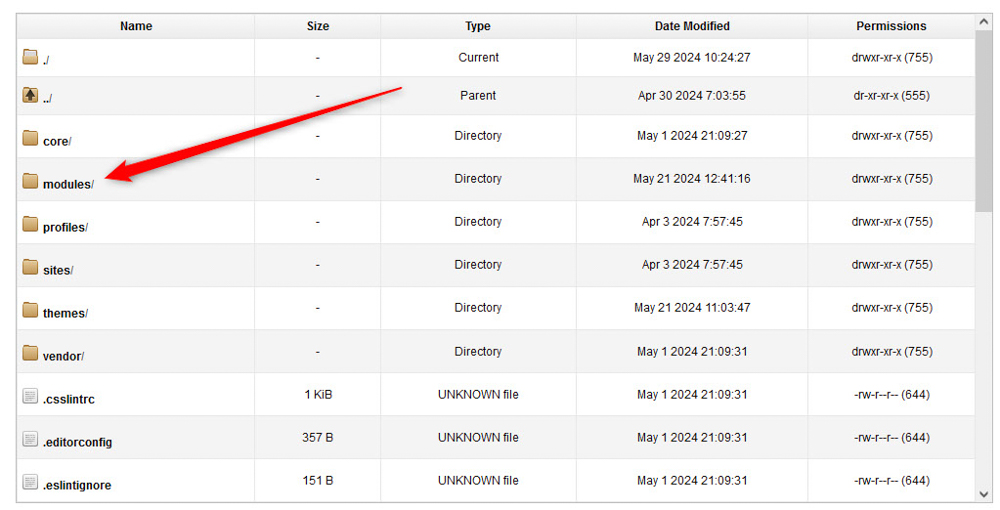
After that, go to Modules:

Drupal website Modules root folder


After that, replace the old module files with the ones you downloaded on your computer device. To do so, open the module’s root folder, and click on the blue Upload button at the top of the page:Upload new Drupal Module on Your Server
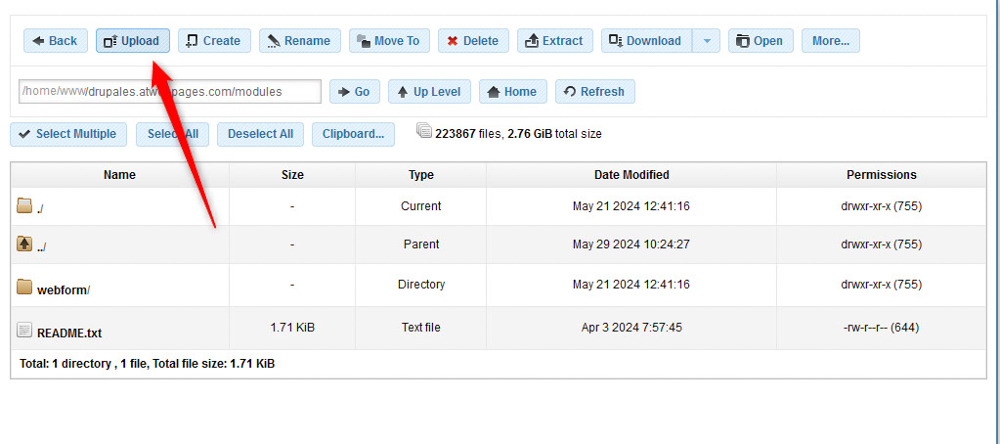
Then, find the extracted files on your computer device and upload them to the module’s root folder you wish to update.


Step 3: Run Database Updates

After updating the module files, you may need to run database updates.

Go to your-drupal-site.com/update.php.

Follow the on-screen instructions to run the update script:
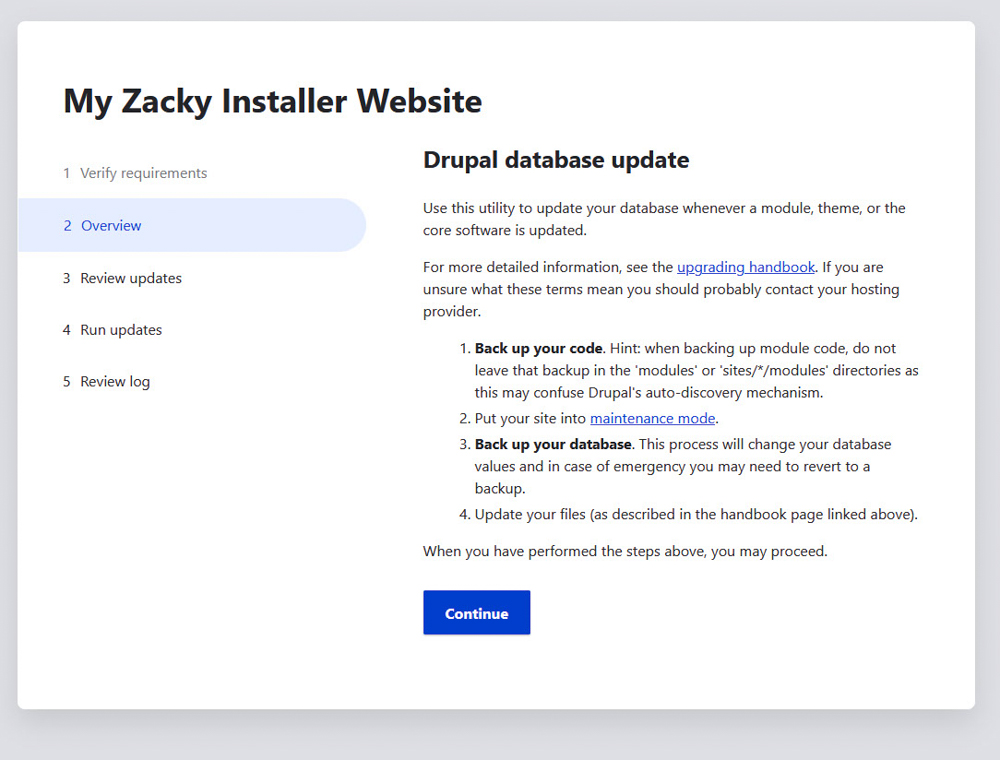
Drupal Website Database Updates


Step 4: Clear Website Cache

It’s important to clear the cache after updating a module to ensure the changes take effect.

Via your Drupal admin panel, navigate to Configuration: Configuration -> Development -> Performance:
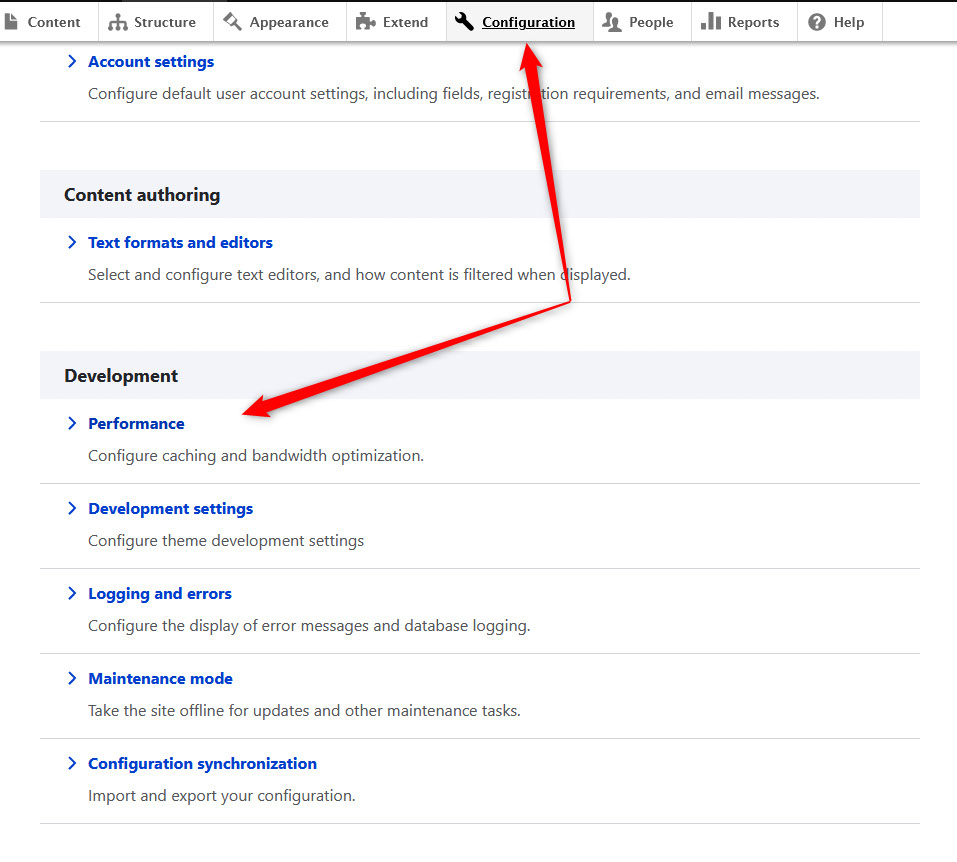
Clear Drupal website cache


Then, click on the Clear all caches button.

By following these steps, you can update a Drupal module safely and efficiently.

Read also:

Was this post helpful?

i

Relevant tags:

Connect

Latest posts:

How to Fix 308 Permanent Redirect

308 Permanent Redirect is an HTTPS status code indicating that the requested resource has been permanently moved to another location. Similar to 301 Moved Permanently, 308 informs the user of the movement of a given online resource, and unlike the 301 redirect, 308...

How to Fix 301 Error Moved Permanently

The 301 Moved Permanently is an HTTP status code that indicates a permanent relocation of an online resource from a given URL to a new one. More technically, the moved resource has been moved to the new URL specified in the Location header. The HTTP 301 status code is...

How to Fix 307 Temporary Redirect

307 Temporary Redirect is a response HTTP status code that indicates the requested resource has been moved to a different URL for a limited period of time. Unlike a 301 permanent redirect, the 307 Temporary Redirect message indicates that the change is temporary and...

How to Access Crontab Settings

To access the crontab settings, first, you need to log in to your AwardSpace hosting panel. After you have logged in, head to Crontab Settings, located within the Advanced Tools category:   After you click the Crontab Settings icon, a new page should load. Once...

How to Check My Auto Renewals

To check your AwardSpace hosting plan auto-renewals, first log in to the admin dashboard. Then, head to Wallet, within the Orders & Invoices section:   After that, click the Auto Renewals tab, where you can check any relevant information about your hosting...


Create a website for free!


Free forever

Our Support Team is Here to Help


If you need any questions answered, don't hesitate and contact us. Click the button below and follow the instructions. You can expect an answer within an hour.


Contact AwardSpace


iNewest knowledge base articles

How to Fix 308 Permanent Redirect

308 Permanent Redirect is an HTTPS status code indicating that the requested resource has been permanently moved to another location. Similar to 301 Moved Permanently, 308 informs the user of the movement of a given online resource, and unlike the 301 redirect, 308...

How to Fix 301 Error Moved Permanently

The 301 Moved Permanently is an HTTP status code that indicates a permanent relocation of an online resource from a given URL to a new one. More technically, the moved resource has been moved to the new URL specified in the Location header. The HTTP 301 status code is...

How to Fix 307 Temporary Redirect

307 Temporary Redirect is a response HTTP status code that indicates the requested resource has been moved to a different URL for a limited period of time. Unlike a 301 permanent redirect, the 307 Temporary Redirect message indicates that the change is temporary and...

How to Access Crontab Settings

To access the crontab settings, first, you need to log in to your AwardSpace hosting panel. After you have logged in, head to Crontab Settings, located within the Advanced Tools category:   After you click the Crontab Settings icon, a new page should load. Once...

How to Check My Auto Renewals

To check your AwardSpace hosting plan auto-renewals, first log in to the admin dashboard. Then, head to Wallet, within the Orders & Invoices section:   After that, click the Auto Renewals tab, where you can check any relevant information about your hosting...

How to Check My Payment Requests

To check your payment requests, first log in to the AwardSpace hosting panel. Then, head to Wallet within the Orders & Invoices category:   Then, click the Payment Requests tab. There, you can browse all the information you need about your...

Even more web tutorials

Check out our web hosting knowledge base and the WordPress tutorials to learn more, and be better prepared for your website creation and maintenance journey.